Navigating Extreme Dietary Differences
Navigating a relationship often involves compromise, and nowhere is this more apparent than in the kitchen. When one partner adopts a high-fat, low-carb ketogenic diet and the other embraces a plant-based vegan lifestyle, the culinary challenges can seem immense. One diet is rich in animal products and fats, while the other excludes them entirely. Yet, with planning and communication, it is entirely possible to maintain dietary harmony in a shared home. This guide offers practical strategies for couples facing this unique dietary divide, helping you both to thrive without having to cook two completely separate meals every night.
Find your common ground
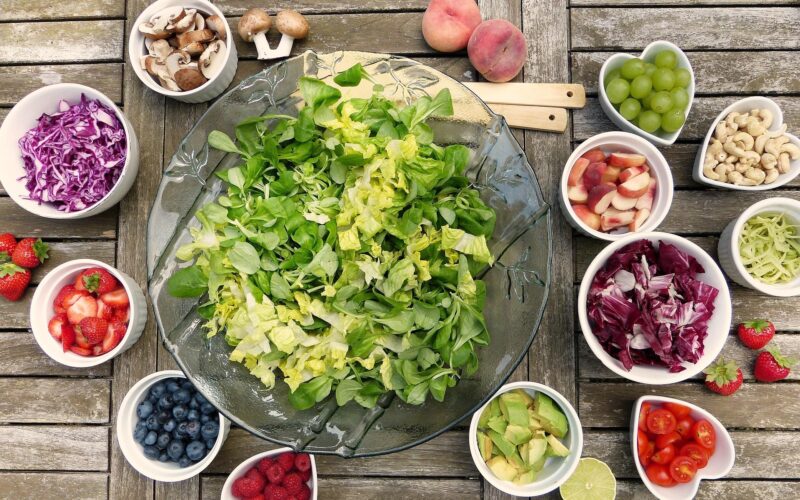
The first step is to identify the overlap between your two seemingly opposite diets. You might be surprised by how many foods you can both enjoy. The keto diet's emphasis on low-carb vegetables and the vegan diet's foundation of plant-based foods create a significant area of commonality. Vegetables like spinach, kale, broccoli, cauliflower, courgettes, peppers, and avocados are perfect for both of you. Healthy fats are another point of connection; olive oil, coconut oil, nuts, and seeds (in moderation for keto) are staples that can be incorporated into shared dishes. Focusing on these mutual ingredients simplifies meal planning and allows you to build a base dish that you can both eat before adding your individual protein sources.
Plan your meals together
Communication and collaborative planning are essential. Sit down together once a week to map out your meals. This proactive approach prevents the daily stress of figuring out what to eat and ensures both of you have the necessary ingredients on hand. Decide on a base meal you can share, such as a large salad with a vinaigrette dressing, roasted vegetables, or a cauliflower rice stir-fry. From there, you can easily add your separate components. The keto partner might add grilled chicken or salmon, while the vegan partner could add tofu, lentils, or chickpeas. This 'build-your-own' approach makes mealtimes feel inclusive rather than divided.
Organise your kitchen space
A well-organised kitchen can prevent cross-contamination and make cooking much smoother. Designate separate shelves or sections in the fridge and pantry for keto and vegan foods. For instance, keep all dairy and meat on one shelf, and all plant-based milks, cheeses, and tofu on another. Using different coloured chopping boards and utensils for meat and vegetables is another simple but effective way to maintain separation. This not only respects the vegan partner’s principles but also promotes good food hygiene for everyone. Clear labelling can also help, ensuring no one accidentally grabs the wrong ingredient in a hurry.
Cook smart, not hard
Efficiency is your best friend. Look for cooking methods that allow you to prepare both meal components simultaneously. A sheet pan dinner is a perfect example. You can roast a variety of shared vegetables on a large tray, while cooking a piece of fish on one side and some marinated tempeh on the other, using foil to keep them separate. Similarly, a stir-fry can be prepared in a large wok with a base of shared vegetables and sauce. Towards the end of cooking, you can divide the contents into two smaller pans to add your individual proteins. This method saves time and reduces the number of pots and pans you need to wash.
Embrace batch cooking
Batch cooking can be a lifesaver. Dedicate a few hours on the weekend to prepare components for the week ahead. The vegan partner could cook a large batch of quinoa, roast some chickpeas, and make a lentil soup. The keto partner might grill several chicken breasts, boil some eggs, and prepare portions of cauliflower rice. Having these ready-to-go elements in the fridge makes assembling a quick and satisfying meal during a busy week much easier. It minimises daily cooking time and ensures both of you have nutritious, diet-compliant options readily available without having to start from scratch every evening.
Ultimately, navigating a keto-vegan household is a testament to a couple's teamwork. It requires respect for each other’s choices, open communication, and a little bit of culinary creativity. By focusing on shared ingredients and planning ahead, you can turn a potential point of conflict into an opportunity to connect. It allows both partners to support each other's health goals while still enjoying the important ritual of sharing a meal, creating a kitchen environment that is both peaceful and nourishing.